







Search Results for: coffee seedling distribution
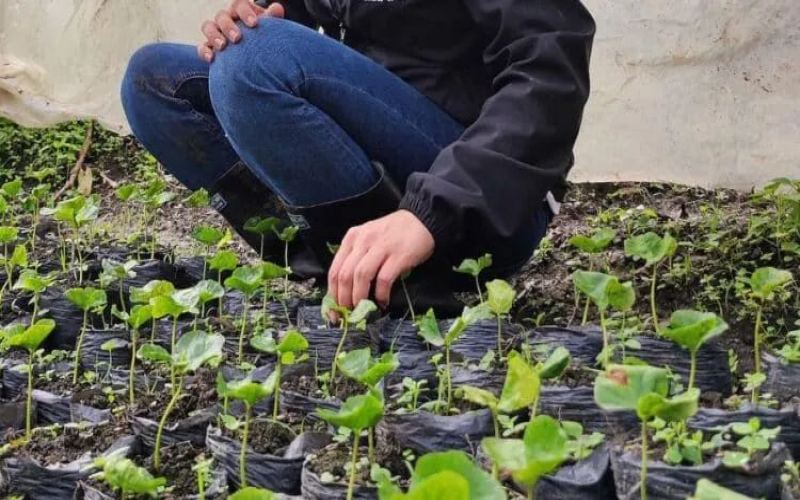
Colombia Distributes 55.7 Million Coffee Seedlings, 2024/25 Production Forecast Raised to 12.9 Million Bags
Colombia's coffee industry has recently received a series of positive signals. Starbucks, in collaboration with the Colombian Coffee Growers Federation (FNC), has distributed 55.7 million disease-resistant coffee seedlings to local farmers, reaching over 17,000 growers across 17 departments. After the effects of El Niño and drought, the arrival of the rainy season in October has led to a gradual recovery in production. The FNC estimates that production for the 2023/24 year will reach 12.8 million bags, while the USDA FAS forecasts that the 2024/25 year could reach 12.9 million bags. However, factors such as severe weather in Brazil and logistics delays have driven Arabica prices to a 47-year high, and the market expects prices to remain elevated in 2025. [more…]
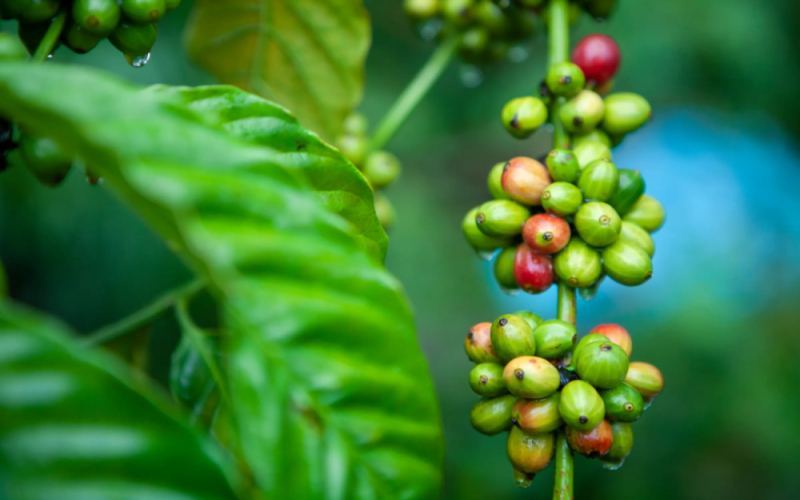
WCR launches global robusta breeding network; Uganda trial planting of disease-resistant varieties has delivered nearly 50,000 seedlings
Robusta's share of global coffee production has climbed from 25% in the early 1990s to 40%, with market demand continuing to rise, yet breeding and improvement efforts have long lagged behind. WCR predicts that if consumption growth overlaps with the climate crisis, the global coffee supply could face severe shortages in 2024. To address this, WCR is about to launch a Robusta breeding program using a large amount of genetic material provided by CIRAD, and will work with major producing countries to build a global breeding network. Meanwhile, planting trials in Uganda have already been implemented, distributing nearly 50,000 disease-resistant Robusta (KR) trees to farmers. Front Street Coffee continues to monitor the industry trends and variety innovations in Robusta. [more…]
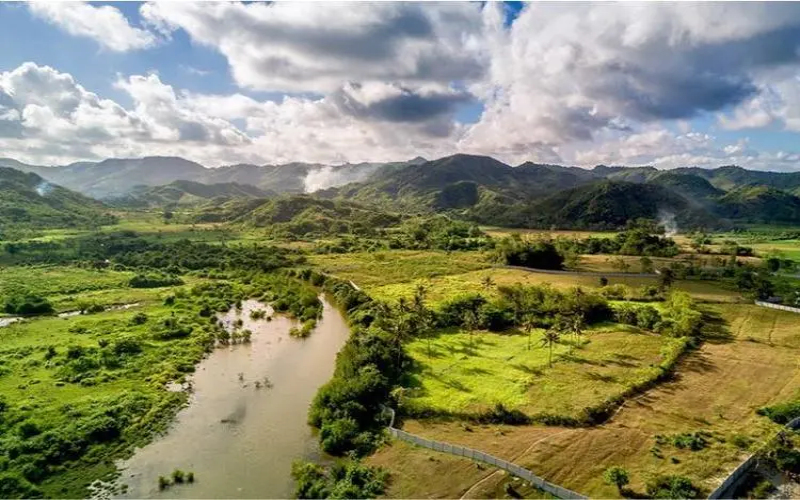
A Complete Guide to Indonesian Coffee Origins: From Sumatra to Bali, Varieties and the Mandheling Coffee Story
Indonesia, as the world's largest archipelagic nation, spans Asia and Oceania and is made up of more than seventeen thousand islands, and its unique tropical climate provides ideal conditions for coffee cultivation. From the arrival of the first coffee seedlings in Jakarta in 1696, the coffee industry on this land has gone through the impact of leaf rust, the replacement of varieties, and the differentiated development of producing regions across the islands. Today, Robusta occupies a dominant position, while Arabica also has its own distinctive characteristics in Sumatra, Java, Sulawesi, and other places. This article will take you through the distribution, cultivated varieties, and harvest seasons of Indonesia's main coffee-producing regions one by one, and clarify the ethnic origins behind the name "Mandheling." Front Street Coffee will also recommend Indonesian coffees worth paying attention to. [more…]
A Detailed Guide to Indonesian Coffee Regions, Varieties, and Grades: Flavor and Taste Characteristics of Mandheling G1 Coffee Beans
Indonesia, known as the "Country of a Thousand Islands," is also one of the world's important coffee-producing countries. From the Dutch first introducing coffee seedlings in 1696, to becoming the world's largest coffee exporter in the 18th century, and then to the rise of Robusta after leaf rust dealt a severe blow, Indonesian coffee has gone through a tumultuous history. Today, the distinctive coffee-producing regions on islands such as Java, Sumatra, Sulawesi, Bali, Flores, and Timor together form the diverse landscape of Indonesian coffee. Among them, Sumatra's Mandheling coffee is renowned worldwide for its mellow, rich flavor, while G1 grade represents the high-quality standard in Indonesia's coffee bean grading system. This article will guide you through a systematic understanding of the history of Indonesian coffee cultivation, the distribution of major producing regions, and the classification of varieties and grades, and will also provide an in-depth analysis of the flavor and taste characteristics of Mandheling G1 coffee beans, making it suitable for every coffee-loving reader to savor carefully. [more…]
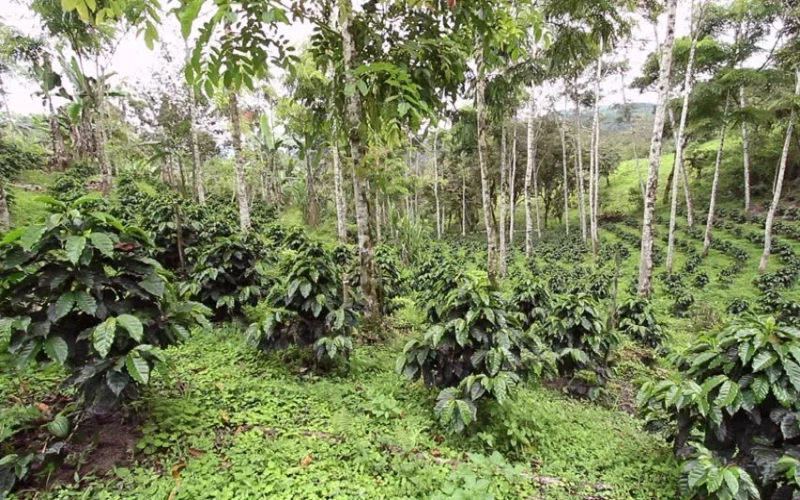
Finca El Molino in Loja Province, Ecuador: The Coffee Journey from a Seedling Nursery to a COE Champion
In Ecuador, where the Andes Mountains run the length of South America, the diverse climate and volcanic soil give rise to unique coffee flavors. Loja Province, an important producing region in the south of the country, is known for its high-altitude cultivation, and it is here that La Noria estate is located. Established by CVM, this estate grew from an initial seedling nursery into a coffee harvesting and processing center, and in both 2022 and 2023 it achieved excellent results in Ecuador's COE competition. This article will guide you through the ups and downs of Ecuador's coffee industry, take a deep look at the terroir of Loja Province, and analyze how La Noria estate rose to the championship with varieties such as Geisha. [more…]
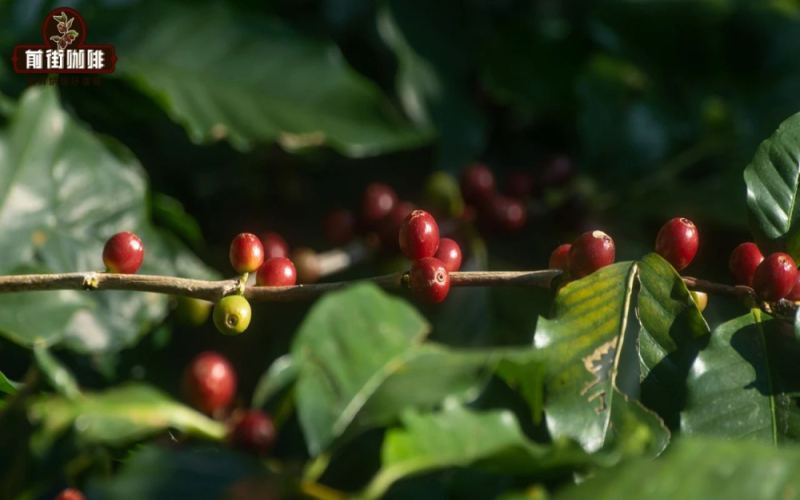
Analysis of Yunnan Coffee Producing Regions, Varieties, and Processing Methods: Front Street Coffee's Typica Cultivation Experience and a Pour-Over Flavor Guide to Small-Bean Coffee
Yunnan coffee enters its December harvest peak, while high-altitude regions are slightly later. Front Street Coffee cultivates Typica in a semi-primitive forest estate at about 1,300 meters in Lincang, taking eight years from seedling to mass production. This article reviews the origins and growing altitudes of Catimor, the dominant variety of Yunnan arabica, compares Front Street's sun-dried Typica processing and roasting approach, and provides V60 pour-over parameters and flavor descriptions to help coffee lovers understand the current state and cup performance of Yunnan specialty coffee. [more…]
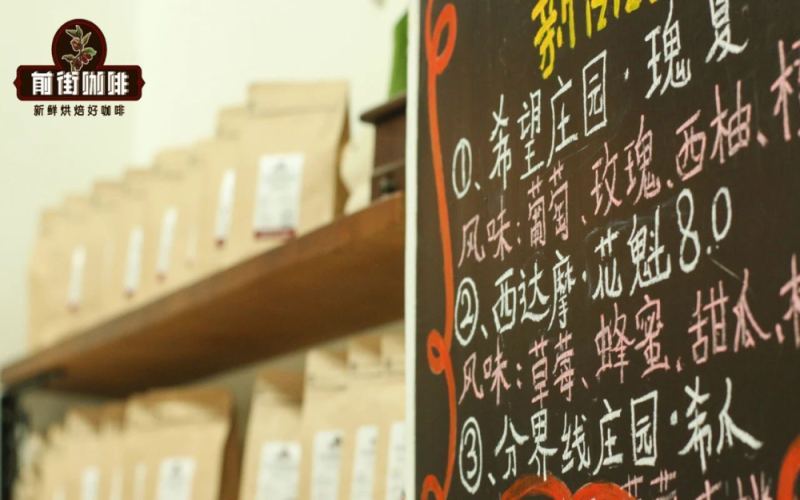
Distribution of Yunnan Coffee Producing Areas and Variety Analysis: Flavor Characteristics and Brewing Key Points of Hand-Brewed Yunnan Small-Bean Coffee
Yunnan, as the core producing region of China's domestic coffee, has in recent years continually reshaped the public's perception of homegrown coffee. This article systematically reviews the distribution and characteristics of Yunnan's main coffee-producing regions—Pu'er, Dehong, Lincang, and Baoshan—analyzes the current cultivation status of varieties such as Catimor, Typica, and Bourbon in Yunnan, and highlights Front Street Coffee's Typica cultivation practices and brewing methods in Lincang. At the same time, the article also explores Yunnan coffee's preference for washed processing, harvesting challenges, and the trend toward specialty-grade development, helping coffee enthusiasts gain a comprehensive understanding of the flavor potential and industrial landscape of Yunnan arabica coffee. It is suitable for readers who follow domestic coffee and want to read in depth. [more…]

A Detailed Guide to Yunnan Small-Bean Coffee Varieties: Differences Between Typica and Catimor and Their Pour-Over Flavor Descriptions
Yunnan, as an important coffee-growing region in China, has a century-long history of cultivating small-bean coffee. This article will start with the origins of Yunnan coffee, introduce the distribution of its main producing areas, and provide a detailed comparison of the characteristics and differences among varieties such as Typica, Catimor, and Bourbon. At the same time, the article will also share Front Street Coffee's cultivation practices in Lincang, Yunnan, as well as brewing suggestions and flavor performance for pour-over Yunnan coffee, taking you through a comprehensive understanding of the basic knowledge and unique charm of Yunnan specialty coffee beans. [more…]
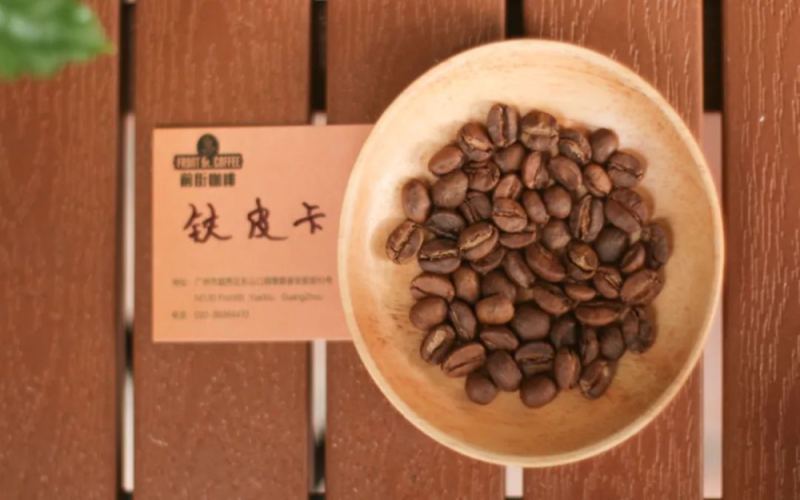
The Global Spread of Typica Coffee: From Ethiopia to Yunnan—Are Blue Mountain and Yunnan Coffee of the Same Origin?
Typica is one of the oldest varieties of Arabica coffee, and most of today's global Arabica production—accounting for seventy percent—can be traced back to the two original varieties, Typica and Bourbon. This article follows the spread of Typica, starting from its birthplace in Ethiopia, passing through Yemen's Mocha port, India's Baba Budan Hills, Indonesia's Java, Dutch greenhouses, and Caribbean islands, and finally reaching Brazil, Colombia, and Yunnan in China. Through this chronicle spanning several centuries, readers will not only learn how Typica shaped the global coffee industry landscape but also gain specific region-based purchasing advice. At the end, we especially recommend Front Street Blue Mountain No. 1, Front Street PNG Bird of Paradise, and Front Street 2013 Yunnan Small-Bean Sun-Dried Typica, helping coffee lovers understand Typica's unique charm from the source of its flavor. [more…]

Why High-Altitude Cultivation Creates Specialty Coffee: A Comprehensive Comparison of Arabica and Robusta Beans
Coffee, as an evergreen shrub in the Rubiaceae family, is mainly cultivated in two major categories: Arabica and Robusta, with specialty coffee mostly coming from Arabica branches such as Typica, Bourbon, and Caturra. About 70 countries worldwide grow coffee in tropical and subtropical regions between 25 degrees north and south latitude, and it usually takes three to five years from sowing to first flowering. This article will provide a detailed introduction to the complete growth cycle of the coffee tree from seedling cultivation and flowering to fruit ripening, and systematically compare the core differences between Robusta and Arabica in terms of growing altitude, flavor characteristics, and share of production. At the same time, for coffee lovers who prefer a rich, oily mouthfeel, the article also specifically recommends two espresso beans containing Robusta components, Front Street Classic Blend and Front Street Commercial Blend, to help readers understand coffee varieties and purchasing directions more comprehensively. [more…]
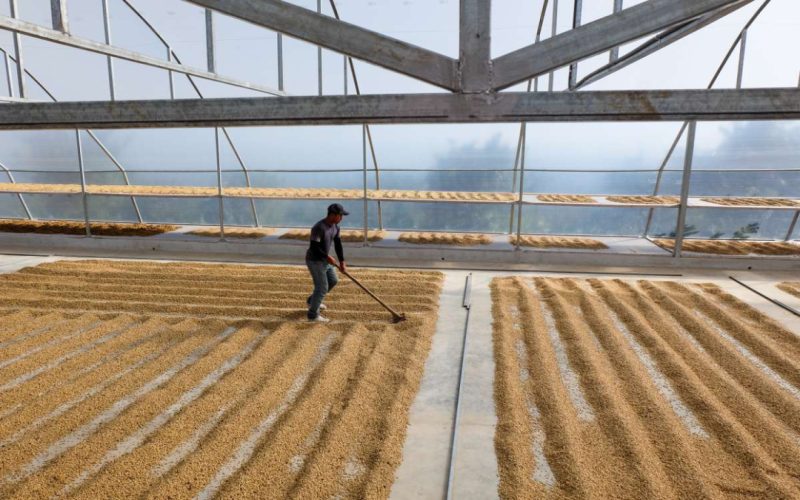
A Complete Analysis of Costa Rican Coffee Regions: From Tarrazú to Tres Ríos—The Specialty Flavors and Geographic Codes
Costa Rica is one of the earliest countries in Central America to cultivate coffee, and is known for legally prohibiting Robusta and growing only Arabica. From the first coffee seedling planted in 1779 to today's scattered eight major specialty regions, this land nourished by volcanoes and oceans has produced internationally recognized "golden beans." This article will guide you through the historical thread of Costa Rican coffee, explain in detail the terroir characteristics of core regions such as Tarrazú and Tres Ríos, and recommend Front Street Coffee's everyday beans series, providing coffee lovers with a practical regional guide. [more…]
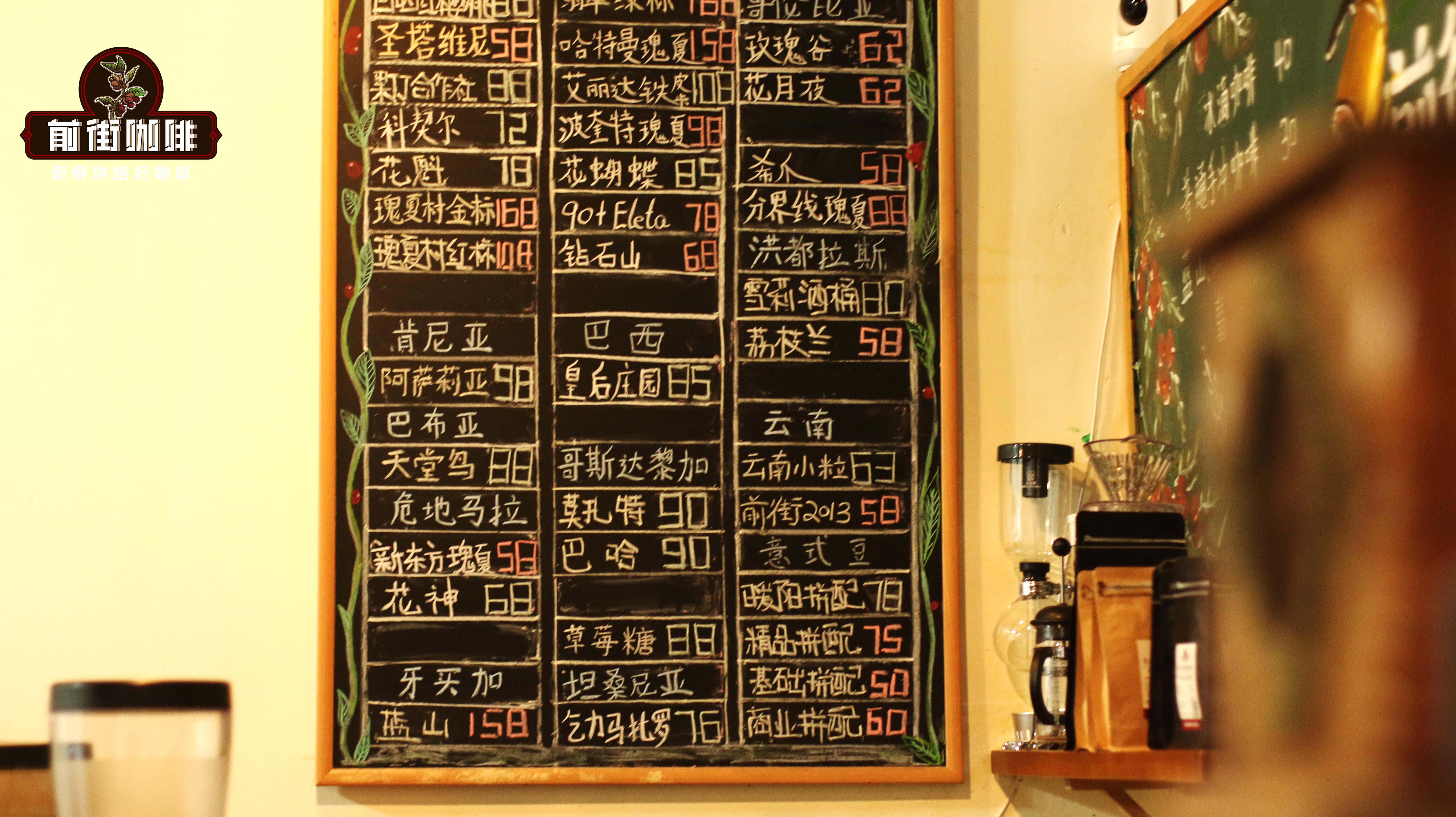
A Comprehensive Analysis of Yunnan Arabica Coffee: Origin Distribution, Variety Evolution, and Front Street Coffee's Planting Practices
Yunnan, as China's most important coffee-producing region, has a cultivation history that can be traced back to 1904, when French missionaries planted the first batch of Typica in Zhukula Village. After more than a century of development, Yunnan coffee has moved from obscurity toward the path of specialty coffee, with producing areas such as Baoshan, Pu'er, Dehong, and Lincang each having their own characteristics. However, factors such as variety replacement, choice of processing method, and growing altitude have always influenced the flavor direction of Yunnan coffee. Front Street Coffee has gone deep into Yunnan to establish estates, adhering to the Typica variety and the traditional washed and natural processing methods, in an attempt to restore the most authentic taste of Yunnan coffee. This article will systematically sort out the origin distribution and variety evolution history of Yunnan coffee, and share Front Street's practical experience in cultivation and processing. [more…]
Yunnan Coffee Bean Quality Analysis: A Full Breakdown of Growing Region Altitude, Variety Differences, and Grading Standards
As a core coffee-producing region in China, what is the quality of Yunnan coffee beans really like? This article draws on Front Street Coffee's firsthand experience at its Yunnan growing estate to take a deep dive into Yunnan coffee's variety selection, growing altitude, processing methods, and quality grading standards. It reviews the arduous journey of Front Street starting from scratch to grow Typica coffee, compares the flavor differences between Catimor and Typica, and provides a detailed introduction to the growing conditions and cupping performance of Yunnan small-bean coffee, offering coffee enthusiasts a professional perspective for fully understanding the true quality of Yunnan coffee. [more…]

Analysis of Coffee Tree Potted Cultivation and Growing Region Conditions: From Plant Classification to Artificial Planting Practices
Coffee, this everyday beverage, originates from the fruit of the coffee tree. This article begins with its botanical classification and systematically examines the origins, growth habits, and suitable cultivation regions of the coffee tree. The coffee tree belongs to the genus Coffea in the family Rubiaceae and is an evergreen shrub, naturally distributed across the "Coffee Belt" between the Tropic of Cancer and the Tropic of Capricorn. Beyond commercial cultivation, the coffee tree can also be grown as an ornamental potted plant, displaying its unique charm in artificial environments. The article will explain in detail the coffee tree's growth cycle, pruning management, and planting applications in coffee shops, accompanied by multiple images to aid explanation, helping coffee enthusiasts gain a more comprehensive understanding of this plant's natural and cultivated growing requirements. [more…]

The Origins and Varietal Analysis of Yunnan Arabica Coffee: A Century of Evolution from Typica to Catimor
Yunnan, as the core production region for coffee cultivation in China, has seen its small-bean coffee development span more than a century. From its introduction to the mainland in 1892 to now accounting for seventy percent of the national planting area and over eighty percent of production, Yunnan coffee has undergone multiple transformations in variety replacement, processing method evolution, and market positioning. This article systematically reviews the historical trajectory, main production area distribution, variety characteristics, and processing methods of Yunnan small-bean coffee. At the same time, combining Front Street Coffee's cultivation practices in Baoshan and Lincang, it analyzes the effects of washed and natural processing on flavor, and provides reference parameter suggestions for daily brewing, helping coffee enthusiasts gain a more comprehensive understanding of the current status and potential of Yunnan coffee. [more…]
Starbucks Expands into Yunnan Coffee Regions: Front Street Explains the Flavors and Brewing Characteristics of Each Origin
In recent years, Yunnan coffee has risen prominently, gradually stepping into the public eye with its unique terroir and continuously improving specialty craftsmanship. From Pu'er to Dehong, Lincang, and Baoshan, each producing region displays a distinctly different flavor profile. Since 2013, Front Street Coffee has been conducting Typica cultivation trials in Lincang, accumulating rich origin experience. This article will guide you through a systematic understanding of the distribution of Yunnan's major coffee-producing regions, variety evolution, and processing method characteristics, along with Front Street's brewing parameters and flavor descriptions, helping you gain a comprehensive understanding of this dark horse of domestic coffee. [more…]
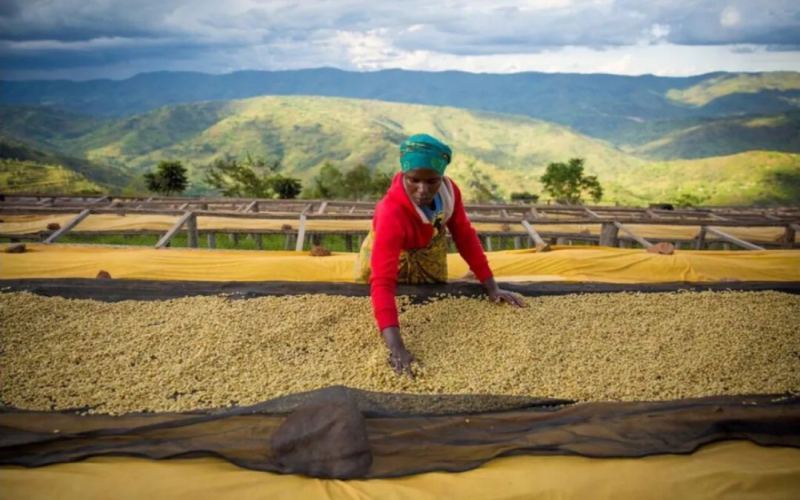
Ethiopia Granada Estate Geisha Coffee: Regional Characteristics and Flavor Analysis Under Single-Variety Cultivation
Located on the East African plateau, Ethiopia, with its unique geographical conditions and diverse cultivation systems, gives rise to coffees of widely varying styles. This article focuses on the Grana Estate in the Yirgacheffe region—a rare farm that cultivates only a single Geisha variety—exploring its greenhouse seedling cultivation, intelligent management, and selective harvesting of ripe red cherries, and presenting the citrus acidity, ginger flower aroma, and delicate sweetness of this Front Street Grana Estate Geisha, giving you insight into the unique charm of estate-level Geisha from Ethiopia. [more…]
Where is Yunnan small-bean coffee produced? A complete analysis of the characteristics of the four major regions, variety differences, and brewing parameters
Yunnan small-bean coffee actually refers to the Arabica variety, named for its smaller beans, in contrast to the medium-bean Robusta grown in Hainan. The story of Yunnan coffee begins in 1904, when the missionary Tian Deneng planted the first coffee seedling in Zhugula Village, Binchuan, and it has now spanned more than a century. Today, Baoshan, Pu'er, Dehong, and Lincang are the four main producing regions, each with different climate conditions and planting scales. As for varieties, the vast majority of what is grown in Yunnan is Catimor, while Front Street Coffee insists on selling traditionally processed beans, both washed and natural, and also grows Typica itself in Lincang, launching "Front Street 2013." This article will provide a complete overview of Yunnan small-bean coffee, from producing regions and varieties to flavor and brewing methods. [more…]
Analysis of Varieties in Yunnan’s Four Major Coffee Regions and a Practical Guide to the Coffee-to-Water Ratio for Hand-Brewed Small-Bean Coffee
In recent years, the popularity of Yunnan coffee has continued to rise within China's specialty coffee circles, and more and more enthusiasts have begun to pay attention to the true face of this domestic coffee origin. This article systematically reviews the cultivation history, variety distribution, and flavor characteristics of Yunnan's four major producing regions—Pu'er, Dehong, Lincang, and Baoshan—and focuses on Front Street Coffee's experience and gains from establishing its own estate in Lincang to grow Typica. At the same time, the article also explains in detail why Yunnan uses Catimor as its main planted variety, why the washed processing method has become mainstream, and the specific water ratios and extraction parameters used by Front Street in its three-stage pour-over of Yunnan small-bean coffee, helping readers comprehensively understand the complete thread of Yunnan coffee from origin to cup. [more…]
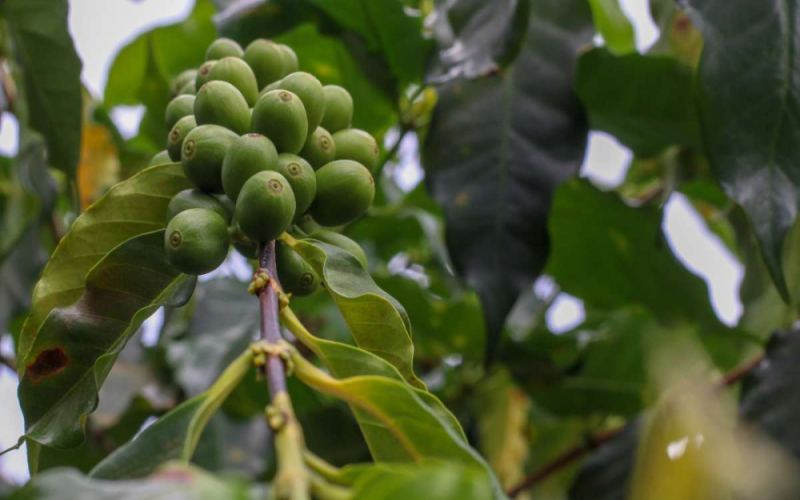
Top Ten Coffee Producing Countries Worldwide: Flavor Characteristics and Taste Analysis of Major Arabica Origins
The coffee tree is an evergreen shrub that thrives in subtropical and tropical regions, mainly distributed across the area between the Tropic of Cancer and the Tropic of Capricorn, a zone also known as the Coffee Belt. However, not every coffee seedling within the Coffee Belt is guaranteed to grow well—other environmental conditions must also be taken into account. Although the coffee tree is a tropical plant, it cannot tolerate extreme heat and humidity, nor can it withstand all-day sunlight. As a result, most coffee is grown on well-drained hillsides, where temperatures are moderate and sunlight hours are shorter than on flat land. It is precisely these conditions that explain why Africa, despite having most of its territory within the Coffee Belt, is not the highest producer. Currently, Asia accounts for 32% of global production, Africa 12%, Central America 13%, and South America 43%. Next, Front Street Coffee will introduce the top ten coffee-producing countries by output and the characteristics of their coffee beans one by one. [more…]